Ethiopian Society Of Emergency Professionals (ESEP): A Decade Long Effort To Improve Acute Care And Critical Care Delivery In Ethiopia.
President of the Ethiopian Society of Emergency Professionals (ESEP)
Vice President of the African Federation for Emergency Medicine (AFEM)
Published online: 4/4/2023
During the last decade, Ethiopia has made significant progress in improving its emergency medical services; one of the reflections of this could be that it has established an emergency medicine specialization program in medicine and nursing programs, making it one of the first nations in Africa to do so. In October 2012, with the support of the Ministry of Health, the Ethiopian Society of Emergency Professionals (ESEP) was founded as a national society to become a professional organization that can assist emergency care providers across the country in saving lives, protecting property and the environment during emergencies and disasters. Currently, ESEP has over 500 members in all corners of Ethiopia and is Ethiopia’s largest network of emergency professionals. A unique aspect of the society is that it is a multidisciplinary professional organization that includes physicians, nurses, pre-hospital providers, community representatives and many more professionals in Emergency Services.
The mission of ESEP is to serve its members and the community by providing information, networking, and professional opportunities and to advance the emergency medicine and critical care profession. Considering the absence of a critical care society in Ethiopia and embracing the large community of early critical care providing community, the society has changed its name to the Ethiopian society of emergency and critical care professionals in 2019.
ESEP provides a platform for an alliance among professionals practicing in different parts of Ethiopia to assist its members, contribute to the expansion of emergency service by collaborating with government bodies for developing relevant policies & strategies to improve emergency service care, continue emergency education through curriculum development & implementation, work towards acquiring the financial capacity to conduct emergency medicine-related academic researches, encourage and advocate the rights of all emergency care professionals. Currently, ESEP is running multiple projects across the countries with multiple collaborators. It has gone a long way in contributing to the expansion of emergency and critical care services in Ethiopia; some of the achievements are; Improving research culture and capacity in acute care continuum, Establishment of African journal of emergency medicine and critical care (PAJEC).
Active role during COVID 19 Pandemic response
Since COVID 19 is diagnosed in Ethiopia, emergency and critical care professionals had a great role in the response. Their role varied from clinical care delivery to leadership role. The professionals were front line workers who were triaging and initial stabilization of undifferentiated patients in all emergency rooms where they are assigned. At the federal ministry of health the national COVID 19 clinical advisory team was assembled led by ESEP leadership and three professionals from emergency and critical background. The major treatment centers in Addis were Yekka Kotebe, Millennium treatment center, St. Paul’s millennium medical centers and St. Peter hospital with its affiliated Field hospitals. ESEP was given an assignment to training low level professionals to deliver care to critically ill COVID 19 patents. More than a thousand professionals were trained in critical care delivery all over Ethiopia. We believe the effort of ESEP has reduced mortality from COVID 19.

Advocacy effort to make early critical care an agenda item in Ethiopia.
As intensive care units require costly equipment and trained human resources, their accessibility is poor in developing nations. This critical care can occur at any point of patient contact–the pre-hospital setting, the emergency unit (EU), the general medical ward, or the ICU–and does not require a physical ICU space to be provided. Early critical care services emphasize vital organ support during the initial medical care provided to the critically ill patient who is still within the dynamic phase (usually within the first 24–72 hours) of critical illness. The continuum of care in early critical care delivery is very important. The readiness of the system, and the ability of the health care force to identify and treat these critical illnesses early in the course of the disease is paramount and important for the recovery of the patient and preventing deterioration of the illness. ESEP has advocated for strengthening early critical care services in Ethiopia, including advocacy to incorporate emergency medical training in undergraduate education, dedicated funding for research, and advocacy for policy change. We have seen a huge change in Ethiopia, with the Ethiopian government making tremendous efforts to improve critical care delivery at different stages of the healthcare system. The scale-up of emergency rooms to identify diseases and equip required health care professionals are some to mention. There are more than 120 emergency medicine and critical care physicians and more than 300 master’s degree graduates working in different emergency and critical care rooms.
Improving research culture and capacity in the acute care continuum
Several acute care research projects have been funded by ESEP, which has also given members training to enhance their research capacity. As part of the Asia-Africa critical care database collaboration and the University of Oxford, ESEP has taken the lead in establishing the expansion of critical care databases in Ethiopia. Currently, the database establishment has begun in about five centers in Ethiopia. Working relationships between ESEP and regional, continental, and international emergency medicine associations have aided in producing research outputs. Through this partnership, ESEP was able to host an international conference for emergency medicine in Africa in Addis Ababa in 2021.
Establishment of the African journal of emergency medicine and critical care (PAJEC);
One of the achievements of ESEP is the launch of this journal. PAJEC is an open-access, peer-reviewed scientific journal. The journal publishes materials relevant to various disciplinary, interdisciplinary, and trans-disciplinary studies, focusing on acute care settings, including pre-hospital care, facility emergency care, critical care, and related public health areas. The journal accepts original articles, case reports, perspectives, editorials, reviews, brief communications, and commentaries on all aspects of the acute care continuum.
In conclusion, ESEP has provided assistance in the development of hospital and pre-hospital emergency and critical care to support government and private facilities all over Ethiopia and beyond through collaboration with local and international academic institutions; hence, we extend our call to all professionals working in the acute care continuum to be a member of ESEP and publish their research work in PAJEC. ESEP will also continue to collaborate and work with other organizations and stakeholders to improve the quality of emergency and critical care services in Ethiopia and promote evidence-based practices in the field. We believe that through our collective efforts, we can make a significant impact on the quality of emergency care provided to patients.
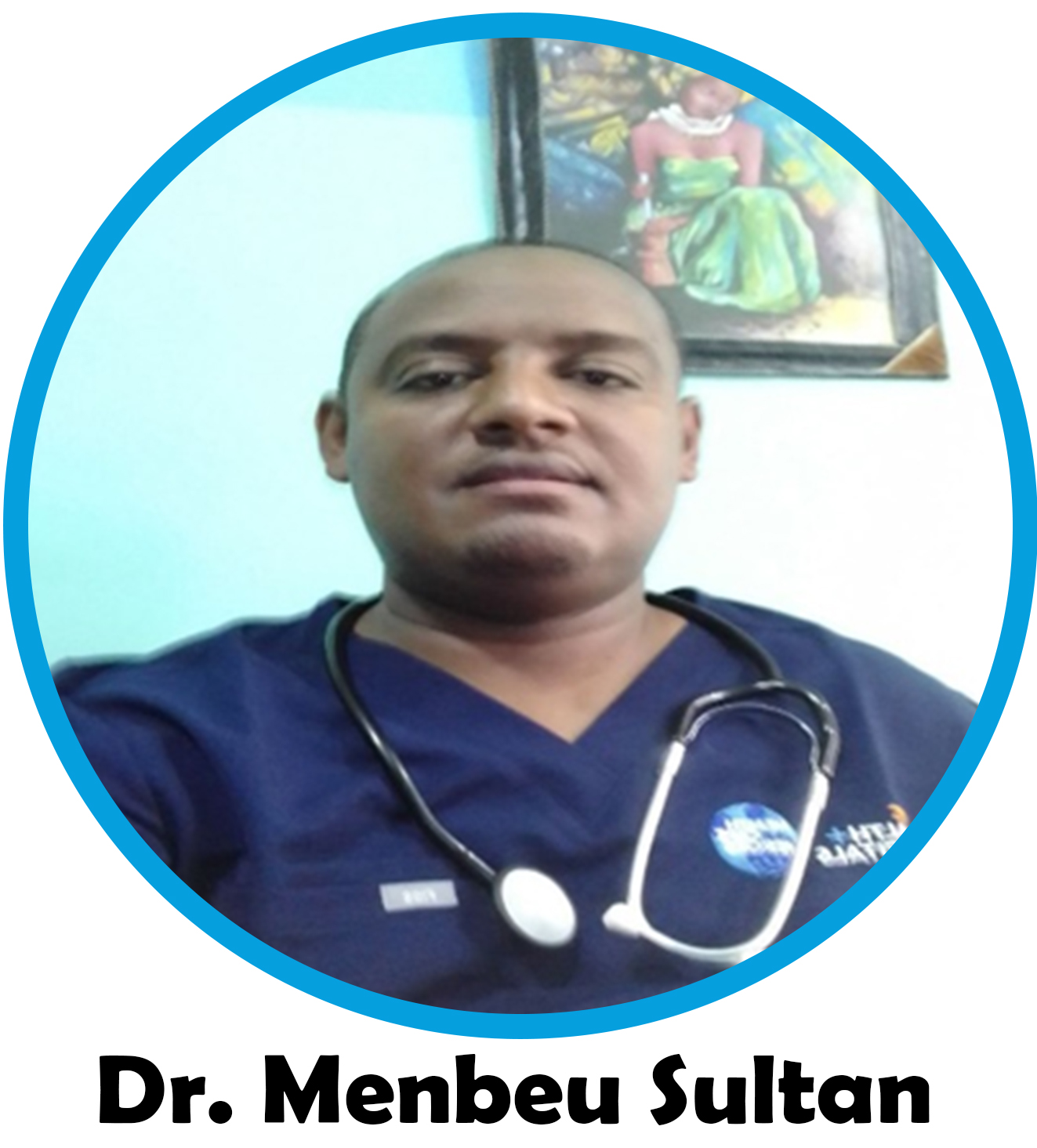
Author: Dr. Menbeu Sultan
email: smenbeu@yahoo.com
Acknowledgement
Y.Boru and F.Kifle assisted with the writing and editing of this article.
Subscribe to our newsletters to receive such great stories and stay up-to-date with the latest news and trends in your inbox. Don’t miss out on exclusive offers and promotions! Click Here >
Do you want to share your story with us in our upcoming issue?
Contact us
Tell: +251 919 118 715
Office Tell: +251 111 542 454
Email: blogs@old.n4pcc.com, info@old.n4pcc.com
Office: Addis Ababa, International Leadership Institute, Office Number 111